
Planning

Buying used restaurant equipment? Check the electrical fit before you bid

Two ovens that look identical can need different power. Check the plate, voltage, phase and load before freight and a non-returnable bid.

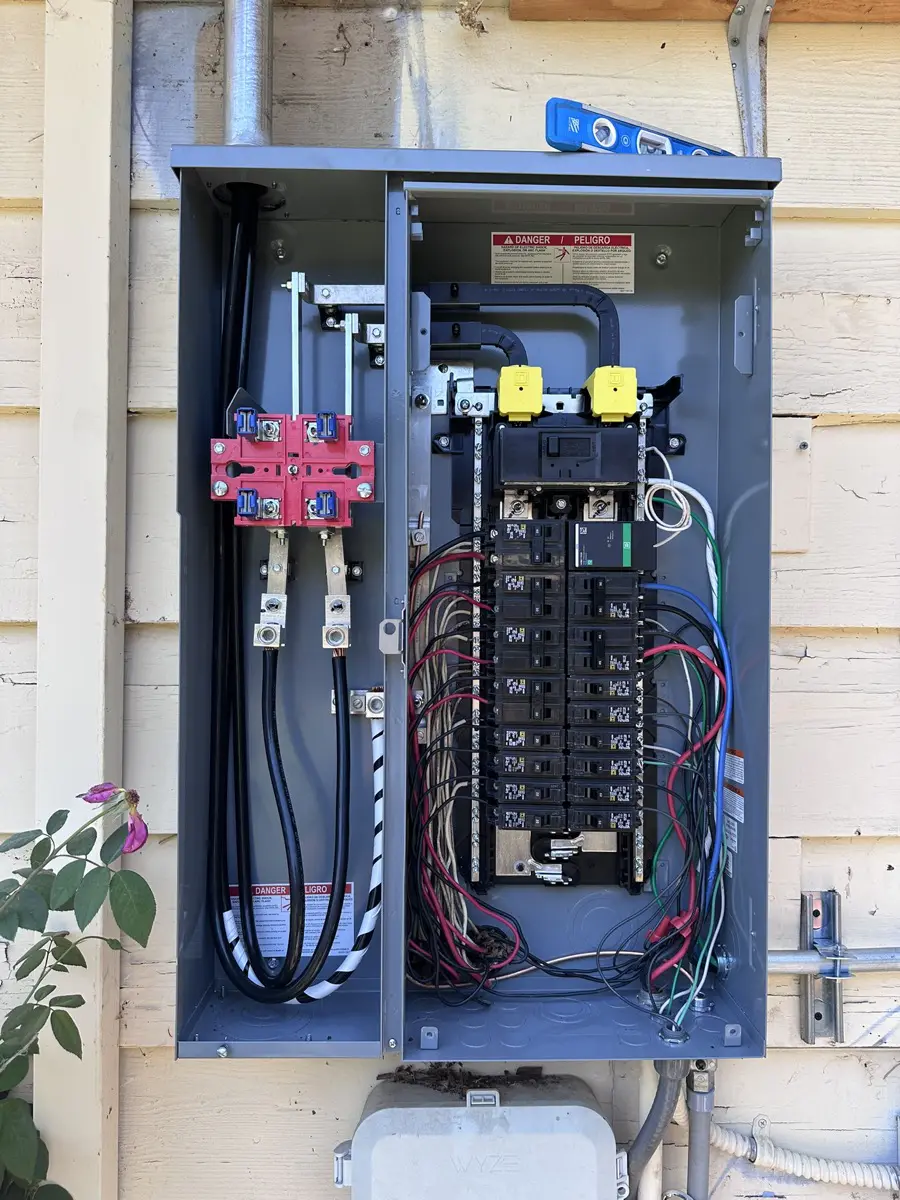
Service panel with the cover off and a level resting on the enclosure during a check

Available 24 hours

Licensed C-10 · CSLB #1115460

Emergency electrical
5 sections
  1. How to verify the auction
  2. Restaurant supply the oven’s
  3. Comparing oven bids
  4. Scheduling oven removal
  5. What to send us before we

A used oven is listed for pickup Friday. The cooking capacity is right, the price leaves room for freight, and your Sacramento restaurant kitchen already has an oven in roughly the same spot. Before you bid, get one more picture from the seller: the manufacturer’s plate on the actual oven. Then send it to us with the intended location. Two ovens that look identical from the front can be sold in different electrical configurations. The difference can consume the savings on the purchase.

How to verify the auction lot, model number and electrical rating

An auction description may have been copied from a brochure covering an entire product family. Ask for a readable photo showing the complete model, any suffix, and the electrical ratings. If the seller has several units, ask them to include the lot number in a second, wider photo.

We compare those details with the installation information for that configuration. If the manufacturer offers several versions, we use the plate to narrow them down. If the picture is unreadable and the seller cannot get another, we can tell you which ratings are missing and which parts of the installation we can price without them. A plug photo alone rarely settles it. A previous owner may have changed the cord, and it tells us little about the supply at your building.

Can the restaurant supply the oven’s voltage, phase and load?

Show us where the machine will operate, not just where it can be unloaded. The former tenant’s machine may have stood on the opposite wall, or the connection you remember may now serve something else. We compare the equipment’s voltage, phase and load requirements with the available supply, look at the actual circuit and connection, and identify the route for any new work. You can send us a photo of the room and your existing equipment list without opening electrical enclosures.

Tell us which major appliances run through service and what will be operating together. If the ovens preheat while the dishwasher and hood are running, include all three. Tell us when prep starts and which equipment stays on through lunch.

Next step

Check the fit before you bid

Send the equipment plate photo and the intended location. We'll tell you what the building can supply and what connection work it needs.

Comparing oven bids after wiring, freight and downtime

Picture a seller offering the same oven in two configurations. Unit A costs more, but after checking its requirements and your kitchen, we find the existing supply can serve it with a compatible connection. Our electrical estimate could identify the connection work, any local repairs and the arrangements for the changeover. You can combine that figure with the purchase price and freight.

Unit B is cheaper and requires a supply the proposed location does not have. Before you commit, we would check whether another suitable supply exists in the building, what it would take to reach the oven, and whether the work affects other tenants or trading hours. If the manufacturer documents a conversion for that exact unit, get written details of who can perform it, which parts it needs and how it affects startup. Until then, price the machine as it is being sold.

You can now set a bid ceiling for each oven. Start from what the machine is worth to your business in service. Subtract freight, rigging, manufacturer or service-agent work, the electrical estimate and the cost of renting a temporary machine or the income you expect to lose during the changeover. The more expensive listing may leave you with the lower installed cost. If one major cost is still unknown at auction time, you know exactly which risk your bid would take on.

Scheduling oven removal, rigging, hookup and startup

Delivery, placement, electrical connection and commissioning can be four separate appointments. Before accepting a ship date, establish who removes the old unit, who puts the replacement in its final position and who performs the manufacturer’s startup. In a leased building, identify who can authorize access to a shared electrical room or an outage. A machine parked in the aisle helps nobody if the crew that can move it left yesterday.

One practical detail is the final service position: An oven can fit between two counters and still block access needed for its connection or future maintenance. Get the dimension drawing to the installer before the riggers set it. If the old machine must keep running through lunch, we can plan around the changeover and tell you which parts of our work can happen earlier. For kitchen projects with other trades involved, the commercial kitchen equipment page is a starting point for arranging the walkthrough.

What to send us before we connect used restaurant equipment

Keep the listing, the plate photo, the manual and any paperwork for modifications together. Send us those records, a photo of the room and your preferred startup date. If the machine has arrived in pieces or differs from the advertised unit, document that before discarding packaging or authorizing changes. The equipment supplier or service agent can establish what belongs with the machine. We can establish what the building needs to supply it.

Our commercial equipment power assessment starts with those two sides of the job. The answer you want before paying for another move is specific: where this unit can run, what electrical work that location requires, who else needs to be there and what has to happen before the first dinner service.

Get estimate

Tell us what is happening, or what you are planning. We read the details, tell you what else we need to know, and explain the next step before anything is scheduled.

  1. 01

    You send the problem or the plan, with the address if you have it.

  2. 02

    We reply with what it involves and what has to be seen in person.

  3. 03

    Nothing is scheduled, and nothing is priced, until the equipment has been looked at.

License
CSLB #1115460 · C-10 electrical