
During a tour of the space, the leasing agent points out the outlet where the last café kept its oven. You’re planning to start two deck ovens before dawn while the refrigerator, exhaust hood and mixer are running. Before you agree to a rent start date, we can inspect the suite and find out what it will take to run your first shift.
Food prep and other power-heavy leases: can the suite run your busiest shift?
Bring the model sheets for the equipment you plan to buy and a floor plan showing where it goes. For a bakery, we’d check the ovens while the mixer and exhaust are on. For a fabrication shop, we’d check the machine you plan to start while the compressor is running. A model number matters here: two ovens with the same cooking capacity can require different voltages or a different number of electrical phases.
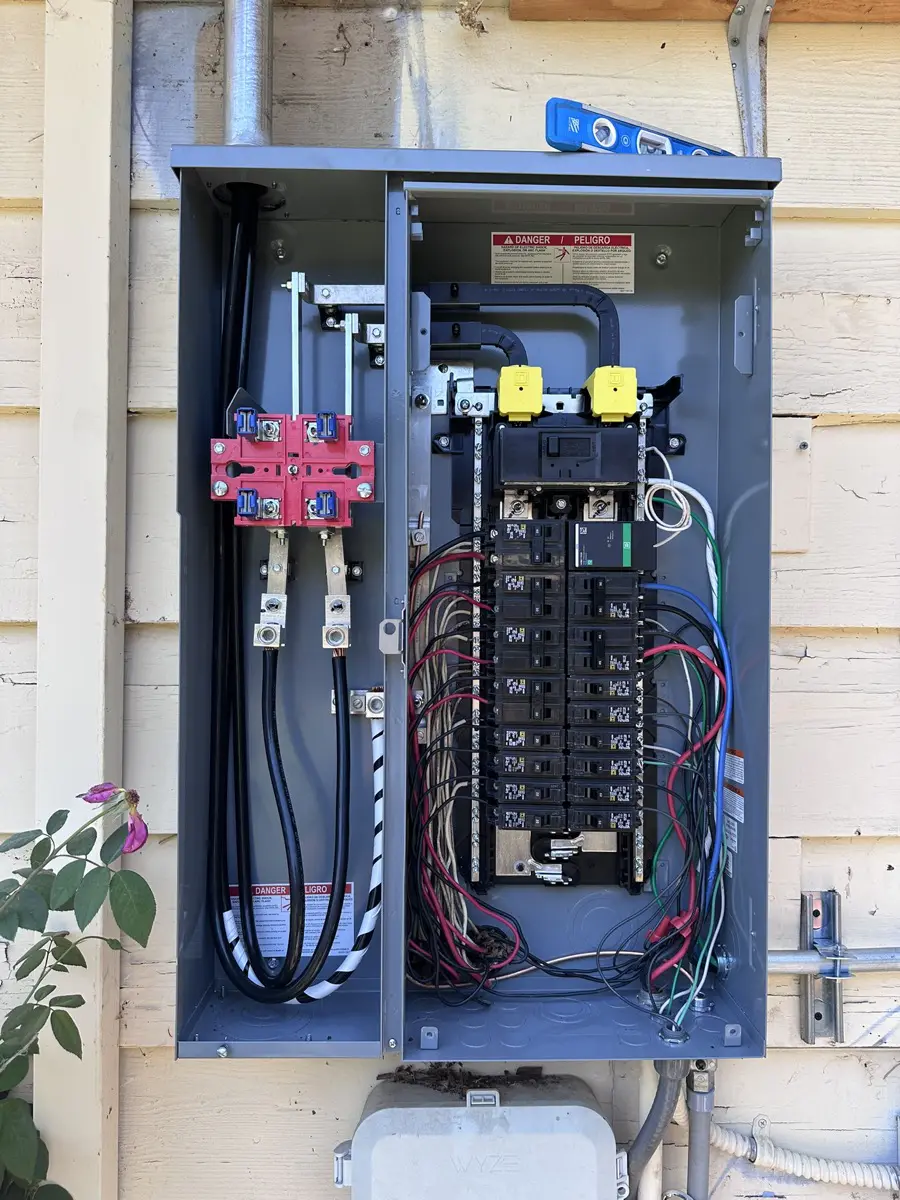
During the electrical inspection we check the supply available to your suite, the load it already carries, the breaker and wiring serving each proposed machine, and the outlet or hardwired connection at its location. If one oven needs a supply the suite can’t deliver, we can show what it would cost to bring power to that oven and check an alternative model before you buy it. A working outlet across the room may still leave you paying to run a circuit above a finished ceiling.
Electrical drawings, meters and access to shared panels
Ask the landlord for the drawings from the last remodel and access to the room that houses the panels and meters. During a tenant improvement assessment, we check which panel feeds your suite. An old partition line can be misleading: one panel might still supply outlets on both sides. If the meter is shared, the landlord can explain how the bill is divided.
Show us the oven location. If its panel is across a common corridor, we need to see how we’d get wiring from one to the other. The landlord can tell you whether that route is available and who can authorize work outside your suite.
Who pays for suite wiring and building service upgrades?
We’d price the oven circuit inside your suite separately from any change needed to the building’s main service. Take those two items to the landlord so you can settle who approves and pays for each before you sign.
If the electrical room is locked when we visit, we can still tell you which circuits the ovens need. What we can’t price yet is a change to the building supply. Once the landlord gives us access, we can check whether the existing service can carry both ovens and the mixer during your busiest shift. Until then, we’d flag that part of the estimate and leave the oven hookup date open. That gives you a specific issue to settle with the landlord before you commit to a rent start date.