
On this page 5 sections
Troubleshooting, safety inspection & preventative maintenance: what this service covers
Three kinds of visit, one trade. Troubleshooting finds the cause of a specific fault — a breaker that keeps tripping, a dead circuit, a light that flickers. A safety inspection is a written read on the whole system, for a house you are buying, remodeling, or simply unsure about. Preventative maintenance is the periodic check that catches loose connections, tired equipment and failing protection before they become the emergency. All three start the same way: with what is actually there.
A fault that keeps returning
A breaker that trips, a dead outlet, a light that flickers — traced to the cause instead of reset one more time.
Before you buy or remodel
A written read on the wiring, so you know what you are taking on, or what the project has to work around, before you commit.
An older or unknown system
A house whose electrical history is a mystery gets a clear, prioritized picture of where it actually stands.
Catching problems early
A periodic check finds loose connections, tired equipment and failed protection while they are still small.
Troubleshooting, safety inspection & preventative maintenance: name the question before the visit starts
Troubleshooting, a safety inspection and a maintenance check are different visits with different aims. Saying which one you need up front focuses the work on what matters to you.
-
A specific fault
When something is actively wrong, the visit is a diagnosis: the symptom is reproduced, the circuit is traced, and the cause is separated from the thing that keeps failing because of it. The fix follows from what we find, not from a guess.
-
A read on the whole system
Buying, remodeling, or just unsure — the visit becomes a condition report: the service, the panel, the reachable wiring and the protection, written up with immediate concerns kept separate from longer-term ones.
-
A letter from an insurer
If a carrier named the panel or a correction, that is insurance corrections — scoped to the letter, not a general inspection. This job is the written read when there is no letter.
-
The branch wiring is the older question
If what turns up is the wiring in the walls rather than a device or a panel, that is a whole-home rewire. We do not fold it into an inspection as a surprise.
-
Keeping it that way
A periodic check looks for the quiet problems — a warm connection, a tired breaker, GFCI or AFCI protection that no longer trips — while they are still cheap to fix and before they take a circuit down.
Troubleshooting, safety inspection & preventative maintenance: what we check on site
The service and panel, and the condition they are in
A specific fault, traced to its cause rather than its symptom
The outlets, switches, circuits and protection that can be reached and safely tested
A written summary of what was found, in priority order
Troubleshooting, safety inspection & preventative maintenance: what helps before we arrive
Write down the symptoms — what happens, when, and what was running at the time
Say what the visit is for: a fault, a purchase, a remodel, or a periodic check
Keep the panel and representative rooms accessible
Mention anything that has been rewired, added or altered before
Troubleshooting, safety inspection & preventative maintenance: what changes the cost
A visit is priced from what it is for and how much system it covers — a single fault is not the same as a whole-house report.
-
What the visit is for
Chasing one fault, reading the whole system for a purchase, or a periodic check are different amounts of work, so it helps to say which up front.
-
The size of the property
A one-bedroom condo and a large older house with additions are not the same amount to walk, test and write up.
-
How hard the fault is to find
A clear, repeatable symptom is quick; an intermittent one that only shows under certain conditions takes longer to pin down.
-
Access to the equipment
Panels, representative rooms and reachable spaces that are clear keep the visit efficient; blocked or locked areas add time or a second visit.
-
Depth of the written report
A short list of findings is quicker than a prioritized report separating immediate concerns, repairs and planning items.
Not sure this is the right job?
Tell us what you are seeing — what is tripping, what changed, or what you are planning — and we will tell you what the work actually is before anyone drives out.
Troubleshooting and inspection questions
Is this the same as a home inspection?
No. A home inspection glances at the whole property; this looks only at the electrical system, and in more detail — whether you have a specific fault or want the whole system read.
Can you fix what you find, or only report it?
Both. Troubleshooting usually ends in the repair once the cause is clear. An inspection or a maintenance check can end in a written report, a fix, or a plan — whichever the problem calls for.
How often is preventative maintenance worth it?
For most homes a check every few years is plenty; older systems, or ones carrying a lot of newer load, benefit from it sooner. The visit itself tells you when the next one is worth booking.
I have a letter from my insurer. Is this the right service?
No. If a carrier named the panel or a correction, that is insurance corrections — scoped to the letter. This job is the written read when there is no letter.
A breaker keeps tripping. Do I start here?
If the symptom is happening now, start at circuit breaker repair. This job is the visit that traces a returning fault, or the written read when nothing is actively failing.
What do they check on an electrical inspection?
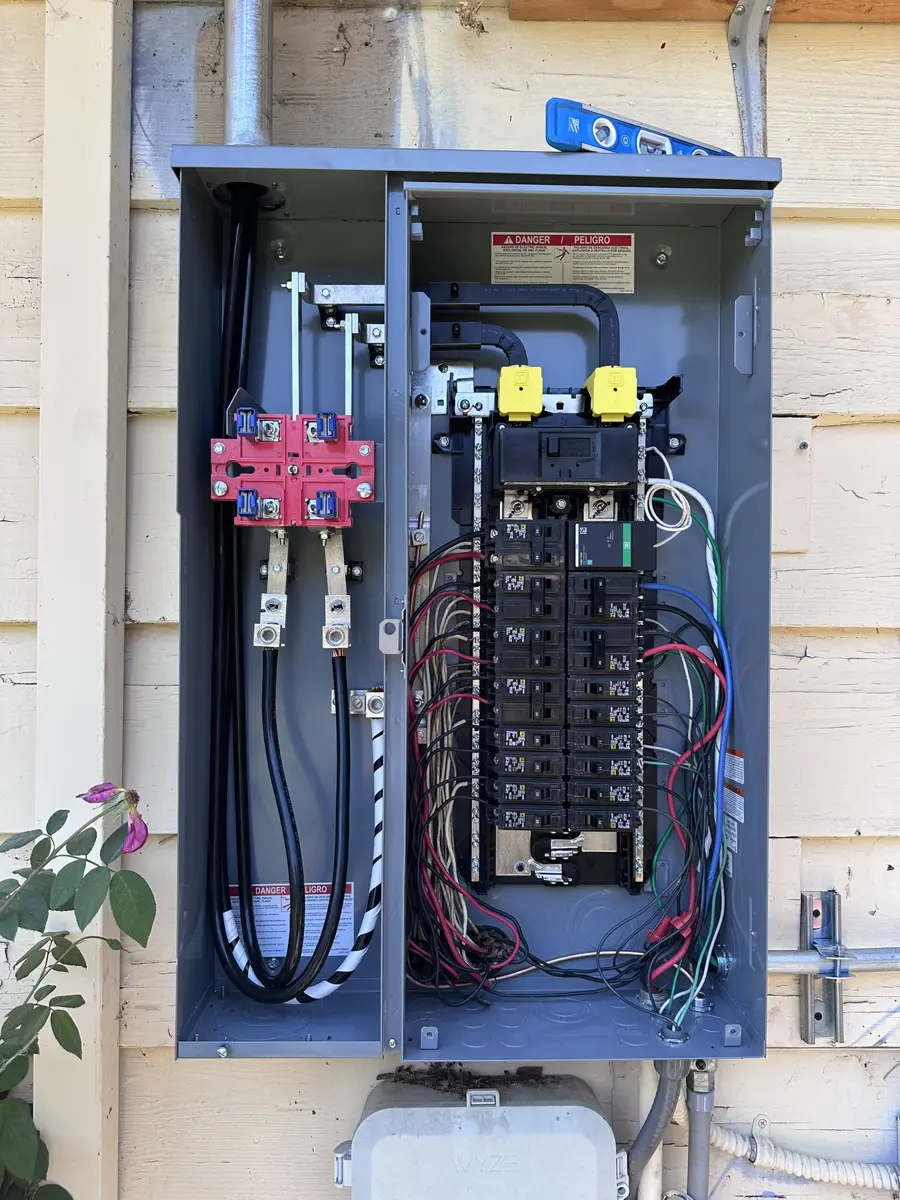
There is no single “electrical inspection.” Four different people look at the same panel for four different reasons. Mixing them up is how homeowners think a home inspection “passed the electrical” when the city never signed off, or think a city sticker means the insurance company is satisfied. We open the panel, sample outlets, look at grounding, and photograph nameplates and findings.
What is required for an electrical inspection?
Access to the panel, the attic or crawlspace if we need it, and a list of what you already know is wrong.
Still not sure it is the right job? Call (279) 972-9272 — available 24 hours.Want the detail? Electrical permits in Sacramento
Helpful guides
Electrical permits in Sacramento
If you are changing the permanent electrical system in a Sacramento home, there is a good chance the work requires a permit. City and County are different authorities. Minor permit is still a permit.
Read guideAluminum wiring
How to identify solid aluminum branch wiring in a 1965–1973 house, why the risk sits at the connections rather than the wire, why it is not the same as the aluminum at the meter, and the CPSC-recognized repairs — so a full rewire is not the only answer.
Read guideElectrical before a remodel
Room use, lighting, devices, major loads, access, and finish boundaries are easier to coordinate before construction decisions become fixed.
Read guide
Serving 19 communities across the Sacramento area
Litel Electric serves homeowners throughout all 19 communities in our service area — from Davis and Woodland to Roseville, Folsom, and Elk Grove.
Get estimate
Tell us what is happening, or what you are planning. We read the details, tell you what else we need to know, and explain the next step before anything is scheduled.
- 01
You send the problem or the plan, with the address if you have it.
- 02
We reply with what it involves and what has to be seen in person.
- 03
Nothing is scheduled, and nothing is priced, until the equipment has been looked at.
- hi@litelelectric.com
- License
- CSLB #1115460 · C-10 electrical