
Electrical safety and code corrections.
Most of this work arrives as a letter or a report on a Sacramento house: an insurer flagged the panel, an inspection turned something up, a sale hinges on it. Here is how to tell what is actually being asked for, and which fix answers it.
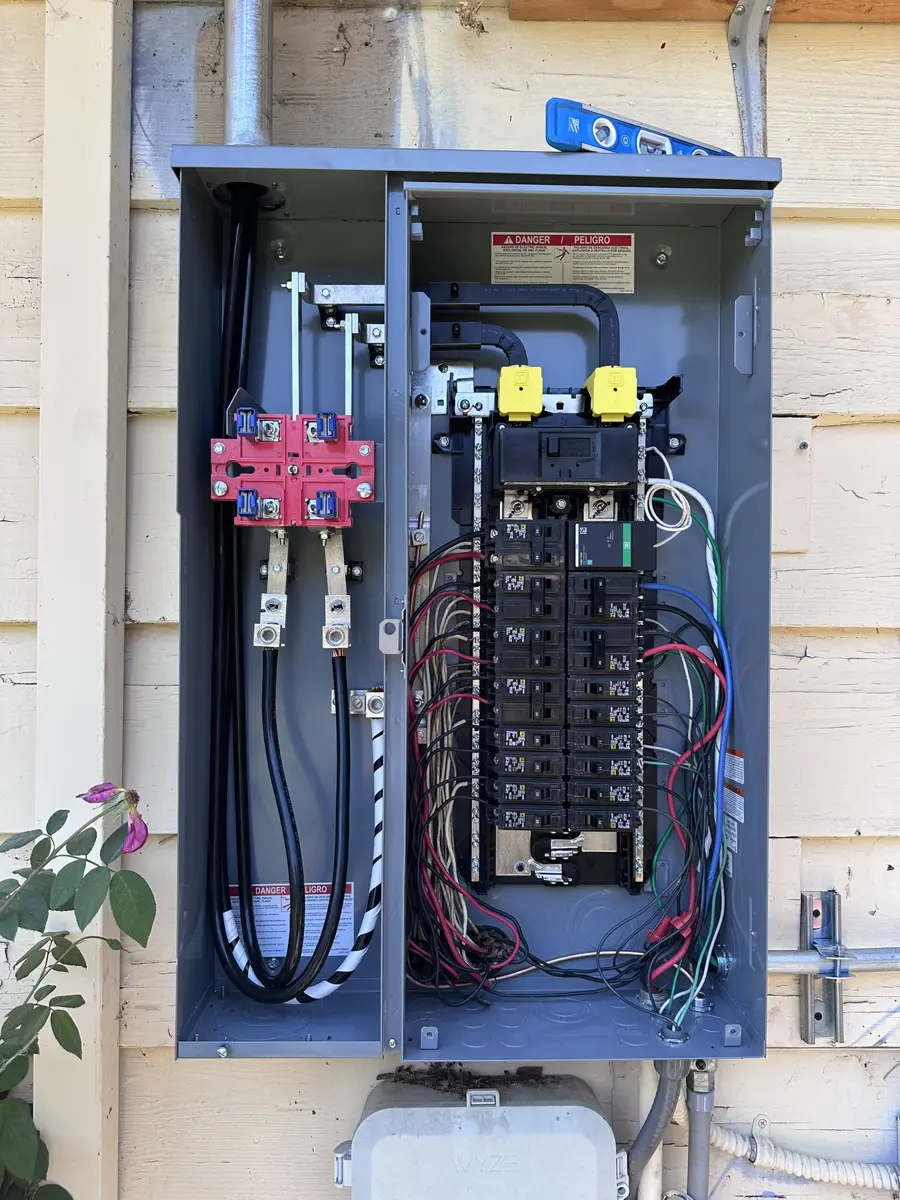
Electrical safety: insurance letters, inspections, and code corrections
Insurance and underwriting corrections
A renewal or a policy hinges on replacing or correcting something — often a Federal Pacific, Zinsco, or Challenger panel, sometimes grounding or bonding. What the carrier accepts, and what it wants documented, is the job.
Insurance correctionsElectrical inspection
A home inspection listed electrical items, or a permit will not close until corrections are made. The work is scoped to what the report actually cites and what the authority for that address signs off on.
Inspection and troubleshootingGrounding system upgrade
Grounding, bonding, or AFCI/GFCI protection that an older house never had. No letter — you want it right, or you are getting ahead of the next inspection. GFCI is protection; it does not create a ground.
Grounding system upgrade
How a safety correction is scoped from what the letter actually names
A letter or a report names a finding, not a job. Telling the two apart is what keeps a correction from turning into work nobody asked for.
-
What the letter names, and what the fix is
A carrier or a report usually names a symptom — an ungrounded outlet, a missing bond, a panel brand — not the work that answers it. The correction is scoped to what is actually cited, so the first read is separating what was flagged from the fix that answers it.
-
A flagged panel is not automatically a replacement
A brand named in a letter is a reason to look, not a verdict. Whether the equipment comes out turns on its condition on the wall, which is a panel replacement question — not something the paperwork settles.
-
Who the paperwork is for
What closes a correction is often a permit and a signed-off inspection, not just the repair. Naming the audience — insurer, city, or a buyer in escrow — before the work decides what has to be recorded and how.
-
The authority is the address
The permit and the inspector are set by the jurisdiction the house sits in — a city, or the county. What that authority signs off on is what closes the correction, so the path is confirmed for the address rather than assumed.
-
"Up to code" is rarely the question
Existing wiring is not automatically required to match current code everywhere; a correction addresses what the report or letter names. Treating a single letter as a whole-house retrofit is how a scoped fix turns into a job nobody asked for.
Safety and code-correction services
Electrical safety questions
Does an insurer's letter mean my panel is unsafe?
Not on its own. A carrier flags equipment it does not want to underwrite, which is a reason to have it looked at — not a finding that it is failing. What the panel is doing is judged on the wall. If a letter is driving it, insurance corrections is where that starts.
Is a flagged panel always a full replacement?
No. Depending on its condition and whether trustworthy breakers are still made for it, a panel can sometimes be corrected, added to, or left in place. Replacement is one outcome, not the default — and it is not decided before the equipment is seen.
Is a GFCI the same as a ground?
No. A GFCI trips on an imbalance and protects people at that location; it does not create the equipment ground a three-prong outlet implies. An ungrounded circuit can sometimes be GFCI-protected instead, but that is protection, not a ground. Adding a ground is a grounding system question.
Who decides what correction is required — the inspector or the code?
Both, in order. The code sets what applies; the inspector for the address reads it against what is actually installed and signs off. Two houses with the same finding can close differently because the authority and the existing conditions differ.
Do I need a permit for safety corrections?
Often, and it depends on the work and the jurisdiction. Some device-level fixes do not; panel and service work generally do — and a permit with a signed-off inspection is frequently what a carrier or a buyer actually wants on record. We confirm the path for the address before filing.
Can you tell me the cost from the letter?
Not honestly. The letter names a finding; the work depends on what is behind it. That is why a correction is scoped after it is seen, rather than priced off the paperwork.
Still not sure which job this is? Call (279) 972-9272 — available 24 hours.
When an electrical safety correction leads to a panel or a rewire
Sometimes the correction turns out to be the panel or the branch wiring itself. Those are larger jobs, and each has its own page.
- The panel itself is what was flaggedPanel replacement
- The branch wiring is the older questionWhole-home rewire
- Something is actively wrong right nowEmergency electrical
Serving 19 communities across the Sacramento area
Litel Electric serves homeowners throughout all 19 communities in our service area — from Davis and Woodland to Roseville, Folsom, and Elk Grove.
Get estimate
Tell us what is happening, or what you are planning. We read the details, tell you what else we need to know, and explain the next step before anything is scheduled.
- 01
You send the problem or the plan, with the address if you have it.
- 02
We reply with what it involves and what has to be seen in person.
- 03
Nothing is scheduled, and nothing is priced, until the equipment has been looked at.
- hi@litelelectric.com
- License
- CSLB #1115460 · C-10 electrical