
In Sacramento, electrical inspection can mean several different things: an inspection by a licensed electrical contractor, a City of Sacramento or Sacramento County permit inspection, a City safety inspection before SMUD restores long-disconnected service, a home inspection during a real-estate transaction, or an insurance electrical review. They are not interchangeable.
A finaled electrical permit means the permitted work was accepted. It does not mean every existing circuit in the house was inspected. A home inspection can identify visible electrical defects, but it is not a municipal electrical approval. A SMUD reconnection means service was restored through the applicable utility and building-department process. It does not mean SMUD inspected every branch circuit. An insurance electrical inspection or panel review is an underwriting decision, not a code inspection.
The practical question is:
Which electrical inspection do you need, and what does the result actually prove?
Types of electrical inspections in Sacramento: quick comparison
| Type of electrical inspection | Who performs it | What it checks | What the result means |
|---|---|---|---|
| Electrical inspection by a licensed electrical contractor | Electrical contractor | Electrical condition, panel, grounding, selected circuits, specific findings, repair scope | Identifies electrical condition and likely repair scope |
| City of Sacramento or Sacramento County electrical permit inspection | Building department | Work covered by an electrical permit | Permitted work was accepted or corrections are required |
| City of Sacramento SMUD/PG&E safety inspection | City inspector | Long-disconnected system before service restoration | Determines whether the inactive system is acceptable for restoration |
| Home electrical inspection during a home inspection | Home inspector | Accessible electrical components as part of a whole-home inspection | Identifies visible/material electrical concerns for the transaction |
| Insurance electrical inspection or panel review | Insurer, insurance inspector, or documentation review | Underwriting information such as panel, wiring, photos, prior work | Determines whether the property meets that carrier’s underwriting requirements |
| Situation | Best starting point |
|---|---|
| Breaker keeps tripping | Licensed electrical contractor |
| Burning smell, hot panel, buzzing, or scorch marks | Licensed electrical contractor |
| Home inspection says “further evaluation by electrician” | Licensed electrical contractor |
| Buying an older Sacramento house | Home inspection, then electrical contractor for electrical findings |
| Panel or circuit was installed under permit | City or County permit inspection |
| City correction notice was issued | Correct the cited permit scope, then reinspection |
| Service has been disconnected for an extended period in the City of Sacramento | City safety-inspection / SMUD restoration process |
| Insurance company asks for panel photos or replacement | Follow insurer requirements; electrical contractor if inspection or correction is needed |
| Lender asks for “city sign-off” | Confirm the exact jurisdiction and document required |
What does an electrical inspection include?
A private electrical inspection is a condition and scope evaluation. Homeowners commonly request one when a home inspector found an electrical problem, an insurance company flagged the panel, breakers trip repeatedly, an outlet tests open ground, lights or circuits behave intermittently, the panel shows heat, rust, or corrosion, the home is older, or a major new electrical load is being planned.
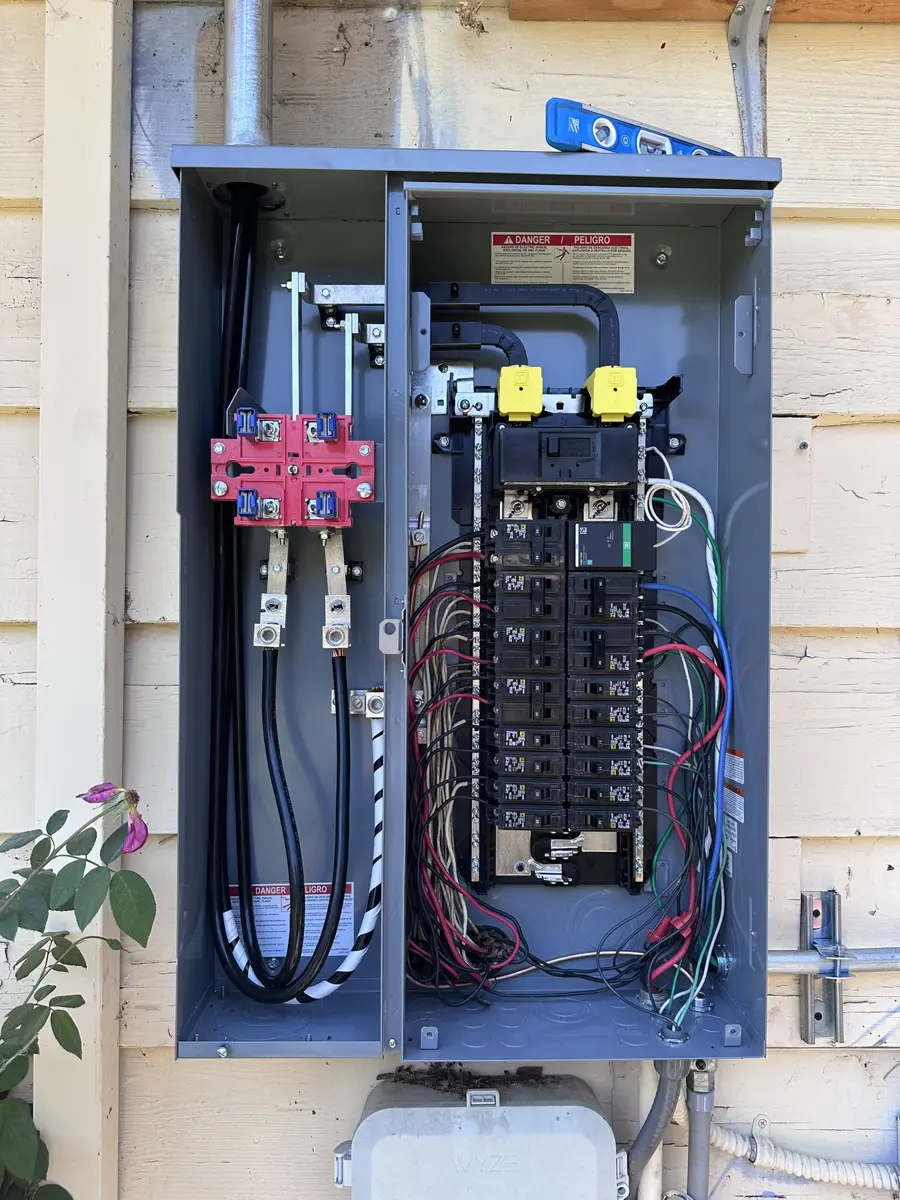
Depending on the reason for the visit, an electrical contractor may review electrical service equipment, the main electrical panel, panel manufacturer and model, breaker compatibility, main breaker and equipment ratings, signs of overheating, arcing, or corrosion, accessible panel bus and terminations, grounding and bonding, subpanel neutral/ground separation, visible branch wiring, selected receptacles and circuits, GFCI and AFCI protection where relevant, breaker-space availability, and service/load capacity when new equipment is planned. In practical terms, that can mean opening the panel where safe, documenting the nameplate and breaker arrangement, checking for heat or corrosion, reviewing grounding and bonding, and testing selected devices when those checks are relevant to the problem.
The goal is to identify the smallest scope that actually resolves the condition:
device repair → circuit repair → panel work → partial rewiring → separate service/load project
An open ground, for example, does not automatically mean a whole-house grounding upgrade. It may be an original ungrounded branch circuit, a broken grounding path, or another localized wiring problem. See ungrounded outlets in older homes for the main possibilities. A 100A service also does not automatically mean a 200A upgrade.
For a focused electrical evaluation, see Electrical Inspection.
Electrical inspection vs home inspection
A home inspection is broad. An electrical inspection by an electrical contractor is focused on the electrical system. The California Real Estate Inspection Association’s current Standards of Practice describe a home inspection as a noninvasive visual survey and basic operation of accessible systems and components. Under those standards, the electrical portion includes accessible service equipment, electrical panels, circuit wiring, switches, receptacles and outlets, and lighting fixtures. Individual home inspectors may also report other visible electrical conditions within the scope of their inspection.
What a home inspector can find electrically. A home inspector may flag open-ground indications, damaged panel equipment, unsafe panel openings, visible older wiring, signs of overheating, and electrical items that need specialist evaluation. A recommendation such as “Further evaluation by a licensed electrician” does not mean the home inspection failed. It means the broad home inspection identified an electrical issue that needs deeper diagnosis.
What a home inspection usually does not include. A standard home inspection is not intended to provide complete circuit tracing, invasive inspection of concealed wiring, a residential electrical load calculation, exhaustive testing of every breaker and receptacle, or municipal approval of previous electrical work. If you are buying an older property, see electrical inspection before buying an older Sacramento house.
Who should check an electrical problem. Use a home inspector when you need a broad evaluation of the property during a real-estate transaction. Use an electrical contractor when you need to know why a breaker trips, whether an open ground is localized or systemic, whether a panel is damaged or obsolete, whether wiring needs repair or replacement, whether an electrical inspection finding requires actual work, or whether a proposed new load needs electrical modifications. The home inspector identifies the concern. The electrical contractor defines the electrical scope.
What a City of Sacramento electrical inspection checks
A City of Sacramento permit inspection answers a narrower question:
Does the work covered by this permit meet the applicable code and permit scope?
Current City of Sacramento minor-permit guidance includes residential electrical work such as main and sub service panels, rewiring, ceiling fans, and new electrical circuits. These projects require permits, although the City’s minor-permit process generally does not require conventional construction plans. New EV charger circuits follow a separate plan-review path. For a fuller explanation, see what electrical work requires a permit in Sacramento?.
The exact inspection depends on what was permitted. For panel, service, subpanel, or circuit work, relevant items can include listed electrical equipment, conductor sizing, breaker sizing, grounding and bonding, required working clearance, panel covers and openings, circuit identification, protection required for the new work, and equipment directly affected by the project. The permit defines the work being inspected. A new branch-circuit inspection is not the same scope as a panel replacement or service project.
Passing a Sacramento electrical inspection does not mean the whole house is up to code. A finaled electrical permit means the permitted project was inspected and accepted. It does not automatically mean the inspector evaluated every receptacle, every existing branch circuit, unrelated garage wiring, old concealed wiring, every GFCI, or previous remodeling outside the permit. If a panel replacement is permitted and finaled, the accurate statement is “The panel permit was finaled,” not “The whole house passed electrical.” That distinction matters during home sales, insurance reviews, lender requests, future remodeling, and electrical troubleshooting.
If a Sacramento electrical inspection fails, the inspector issues a correction notice. The applicable corrections must be completed and the work re-inspected before the permitted project can be finalized.
Sacramento County vs City vs other cities
Sacramento County separately identifies electrical panels and circuits among work that typically requires permits. If the property is in unincorporated Sacramento County, use Sacramento County’s Building Permits and Inspection process rather than the City of Sacramento permit system. The County has its own permit portal, inspectors, scheduling, forms, correction process, and final records.
A Sacramento mailing address does not necessarily mean the property is in the City of Sacramento. Arden-Arcade and Carmichael, for example, are generally in unincorporated Sacramento County. The property address determines the authority having jurisdiction.
The underlying principle is similar in both places: the permit inspection is tied to the permitted work. What changes is the authority handling it. City of Sacramento property uses City permits, inspection scheduling, correction process, and final records. Unincorporated Sacramento County property uses County permits, inspection scheduling, correction process, and final records.
Other Sacramento-area cities — Elk Grove, Folsom, Rancho Cordova, Roseville, and other incorporated cities — have their own permitting authorities and procedures. Do not assume a “Sacramento” address means the City of Sacramento is the inspector.